Learn the top 10 mistakes to avoid in order to enhance quality and achieve maximum yield in corn silage. By ensuring the right harvest time, ideal chop length, and correct silage harvester selection, you can boost both feed quality and farm profitability.
One of the most critical factors determining profitability in livestock farming is high-quality roughage production. Especially in dairy and beef operations, corn silage is a core feed source due to its high energy content and easy digestibility. However, two different silages harvested from the same field can show drastic quality differences. Most of the time, the culprit is not the seed variety, but mistakes made during harvesting and ensiling. Incorrect harvest timing, non-uniform chopping, insufficient compaction, or improper machinery selection lower feed quality while driving up operational costs. Therefore, every stage of silage production requires meticulous planning.
| Error | Consequence | Solution |
| Early Harvest | Low dry matter | Proper harvest timing |
| Late Harvest | Tough stalk structure | Timely harvest |
| Incorrect Chopping | Difficult compaction | 5–10 mm chop length |
| Dull Blades | Uneven cutting | Regular blade sharpening |
| Insufficient Compaction | Mold growth | Layered compaction |
| Air Exposure | Impaired fermentation | Proper silo sealing |
| Neglected Machinery | Breakdown risk | Regular maintenance |
| Mismatched Tractor | Low performance | Appropriate PTO selection |
| Outdated Technology | Low efficiency | Modern machinery |
| Subpar Machinery | High overall cost | Reliable manufacturer |
Below, let us examine the 10 critical mistakes that growers make most frequently, leading to yield losses.
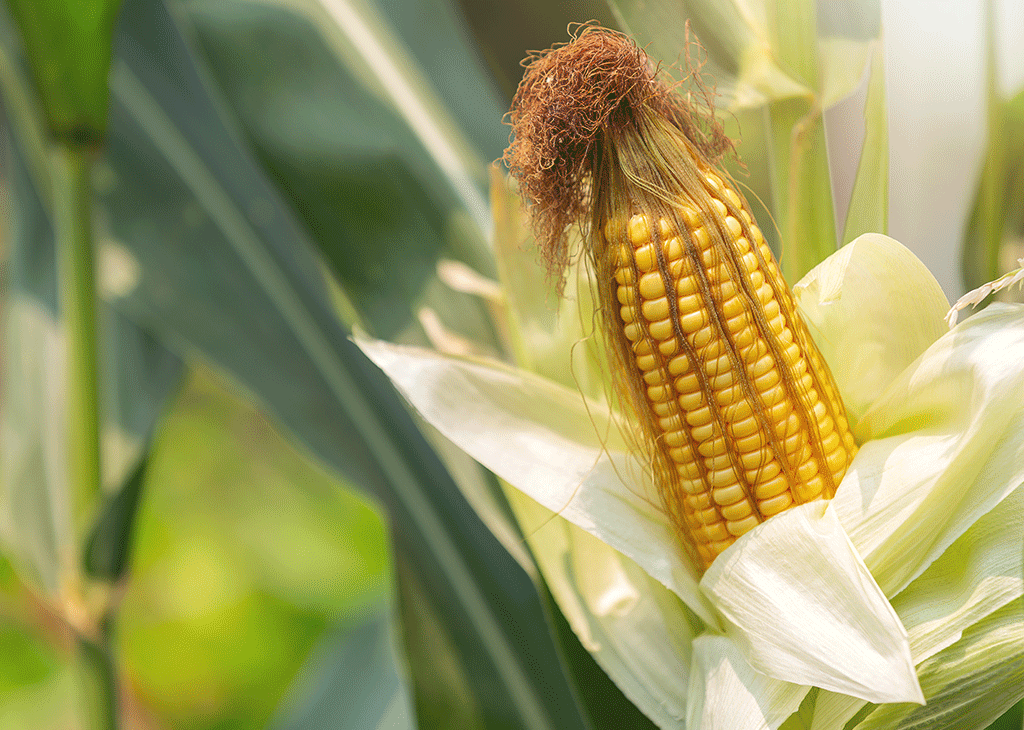
Harvest timing is the single most important factor determining silage quality. When harvested too early, the plant has low dry matter content, causing excessive liquid runoff inside the silo. In late harvests, stalks harden, fiber content increases, and digestibility decreases.
Experts recommend harvesting when the corn reaches approximately 32–35% dry matter content. Harvesting during this window preserves high nutritional value and ensures a successful fermentation process.
Properly timed harvesting offers key advantages:
Yields higher quality silage.
Increases feed intake in livestock.
Positively impacts milk and meat production.
Reduces nutrient losses.
Chop length directly affects silage quality. Overly long particles do not compact sufficiently in the silo, creating trapped air pockets. Conversely, excessively short particles can negatively affect rumen health in ruminants.
Generally, a uniform chop length between 5–10 mm is considered ideal for premium silage.
Uniform chopping:
Facilitates easier compaction.
Improves fermentation.
Reduces the risk of mold formation.
Increases feed intake.
Therefore, the cutting mechanism and blade quality of the forage harvester are of critical importance.
Harvester blades wear out over time. Blades that lose their sharpness crush and shred the corn instead of making clean cuts. This not only degrades silage quality but also forces the tractor to draw more power, increasing fuel consumption.
Harvesting with dull blades results in:
Poor chopping quality.
Elevated fuel consumption.
Reduced machine capacity.
Accelerated wear on blades and rotors.
Checking and sharpening blades regularly throughout the harvest season is essential. Machines equipped with built-in blade sharpening systems save operators significant time.
Conventional forage harvesters require the operator to constantly follow crop rows. In large fields, this slows down work speed and exhausts the operator.
Even minor errors while following rows cause crop loss. Frequent maneuvering also raises fuel consumption and lowers daily work capacity.
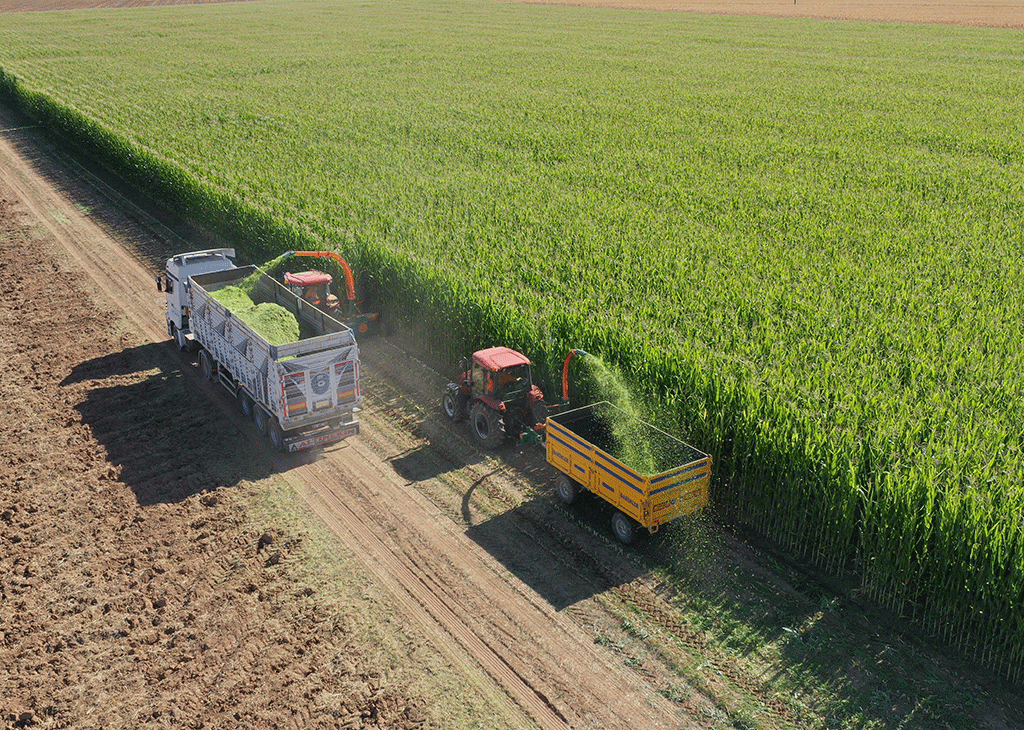
New-generation row-independent corn silage harvesters eliminate this bottleneck by providing operational flexibility. Operators can work regardless of row orientation and cover larger areas in less time.
Key benefits include:
Higher daily capacity
Reduced operator fatigue
Lower fuel consumption
Minimal crop loss
Faster harvesting operations
Many farmers focus solely on machine specifications when buying a silage harvester. However, tractor engine horsepower and PTO speed must match the implement's requirements.
Using an underpowered tractor leads to:
Reduced PTO speed.
Compromised cutting quality.
Excessive strain on the machinery.
Increased fuel consumption.
Lower work capacity.
Conversely, using an oversized tractor results in unnecessary fuel costs.
When selecting a silage harvester, always account for your available tractor horsepower and prefer machines capable of operating across different PTO speeds.
Successful silage production goes beyond harvesting at the right time. The equipment used directly impacts final product quality.
Modern corn silage harvesters should feature:
Powerful cutting systems providing uniform chopping
Heavy-duty blade design
Easy maintenance access
High throughput capacity
Low fuel consumption
Versatile tractor compatibility
User-friendly operator controls
Machines with these characteristics shorten harvest windows while driving up silage quality.
Eliminating oxygen from the silo as quickly as possible is a fundamental requirement for high-quality silage. This relies on proper, thorough compaction.
If silage is not compacted adequately, air pockets remain trapped within the pile. These air pockets encourage the proliferation of harmful microorganisms and disrupt fermentation, leading to mold, heating, and nutrient loss.
Consequences of poor compaction include:
Increased mold and yeast growth
Elevated dry matter losses
Reduced energy values
Decreased feed intake
Negative impacts on milk and meat yields
Silage should be spread in thin layers, with each layer packed thoroughly. Because uniformly chopped corn compacts much more easily, a high-quality forage harvester plays a key role during this phase.
Failing to seal the silo completely after filling is a widespread mistake in silage management.
For healthy fermentation to continue, silage must remain in an anaerobic (oxygen-free) environment. Any air ingress leads to rapid growth of mold spores and harmful bacteria.
Air-exposed silage suffers from:
Mold growth
Heating issues
Foul odors
Nutrient losses
Unpalatability for livestock
Utilizing high-grade silage covers, securing edges tightly, and repairing punctures immediately is critical. No matter how well the harvest went, poor storage can ruin the entire crop.
The silage season is a narrow window; unexpected breakdowns during this period cause severe delays.
Simple pre-season checks prevent most field failures.
Key components to inspect before the season begins:
Cutting blades
Drive chains and sprockets
Bearings
Hydraulic systems
PTO shafts
Oil levels
Bolts and fasteners
Regular maintenance extends machine lifespan, lowers fuel consumption, increases operational capacity, and prevents downtime during harvest. For professional growers, maintenance is an efficiency-boosting investment, not an expense.
Focusing strictly on purchase price when selecting a silage harvester can lead to much higher costs in the long run.
Common problems with low-quality machinery include:
Irregular chop size
High fuel consumption
Low field capacity
Constant maintenance demands
Frequent breakdowns
Expensive spare parts
Instead, select equipment matched to your farm scale, available tractor power, and annual acreage requirements. A quality forage harvester remains a reliable investment for years.
Agricultural technology advances continuously. Relying on legacy machinery causes both time loss and elevated operating expenses.
New-generation silage harvesters offer:
Higher field capacity
Lower fuel consumption
Superior chop quality
Easier operation
Reduced maintenance demands
When investing in machinery, evaluate long-term operational needs rather than short-term convenience.
Evaluate the following criteria to ensure a solid machinery investment:
✔️ Field capacity matched to your farm size
✔️ PTO system compatible with your tractor
✔️ Heavy-duty cutting rotor providing uniform chop size
✔️ Wear-resistant blade system
✔️ Accessible service and maintenance points
✔️ Spare parts availability
✔️ Reliable manufacturer with strong after-sales support
The right machine selection simplifies harvest logistics while raising feed quality and operational profitability.
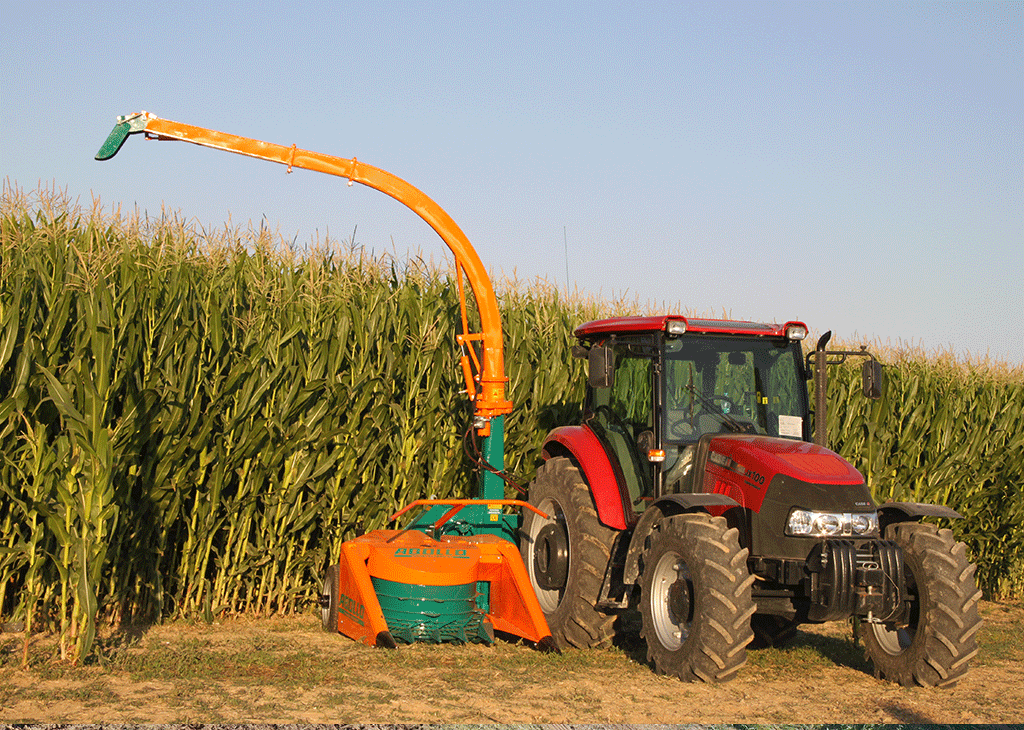
Efficient Harvesting with the Abollo Two Rows Maize Chopper
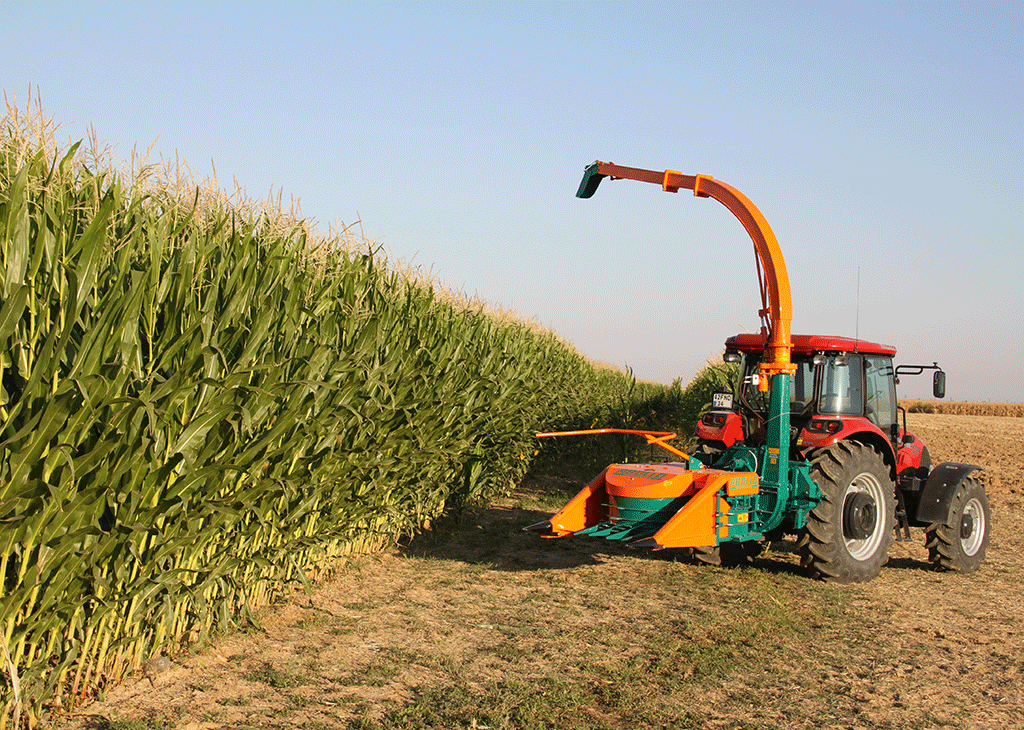
Engineered to meet the demands of professional producers, the Abollo Two Rows Maize Chopper combines modern technology with heavy-duty performance.
Key Features:
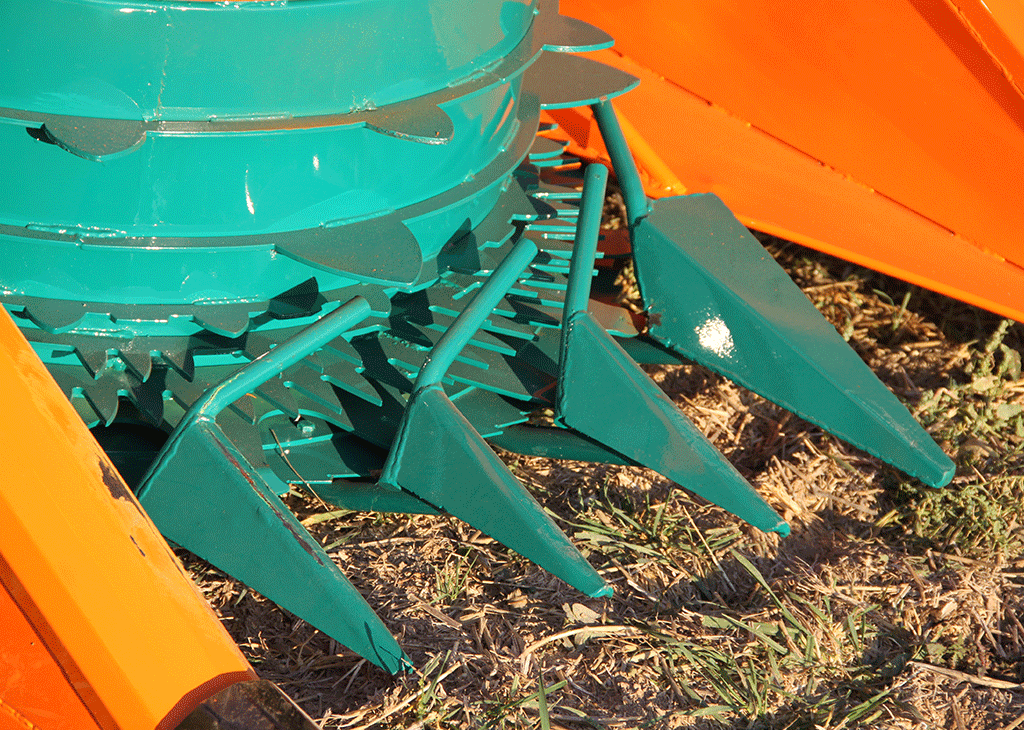
Row-independent operation
Forward and reverse operating capability
12 high-durability cutting blades
Minimum 5 mm uniform chop length
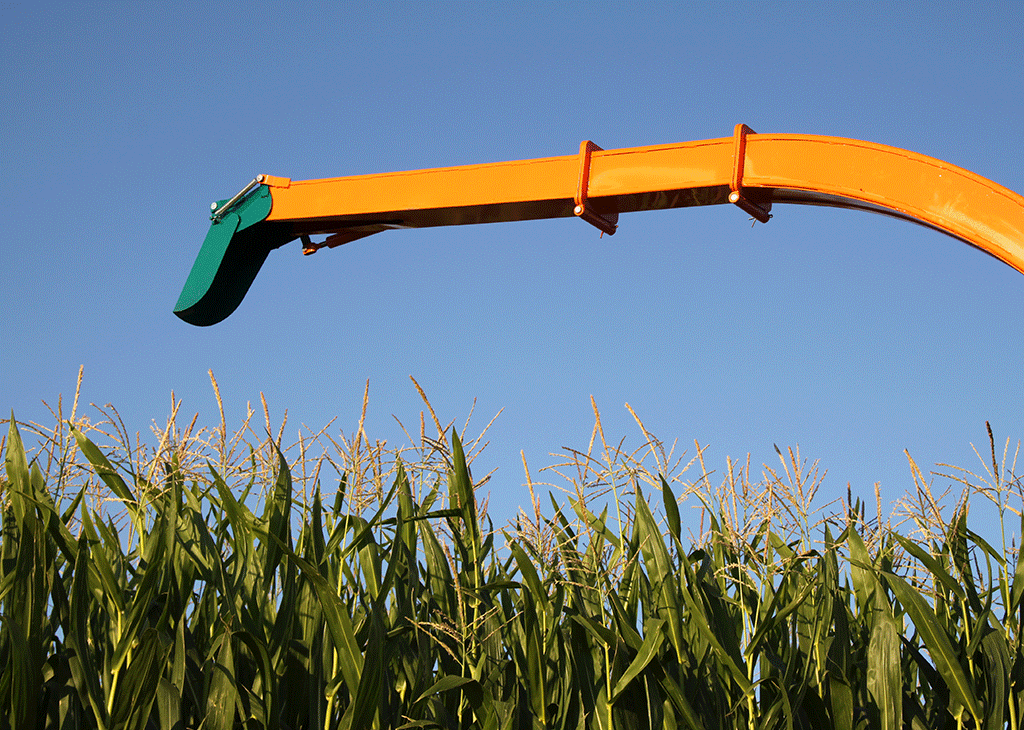
360° hydraulically controlled chute system
Chute extension option for high trailers
Integrated blade sharpening system
540 and 1000 RPM PTO options
Foldable upper chute structure
Durable enclosed gearboxes
Low maintenance requirements
High work capacity
These features enable growers to harvest larger acreages in less time, yield premium silage, and drive down operational costs.
Achieving high yields in corn silage requires more than selecting the right seed. Harvest timing, chop quality, machine settings, compaction, storage, and equipment selection must be managed as an integrated system.
Avoiding the 10 common errors outlined above helps produce higher quality silage, improve feed conversion ratios in livestock, and boost overall farm profitability. Investing in modern technology yields long-term savings across time, fuel, and maintenance costs.
The optimal harvest window is generally when the plant reaches 32–35% dry matter content.
A uniform chop length between 5–10 mm is recommended for proper fermentation.
The most common causes are poor compaction, air entry into the silo, and improper sealing.
Double-row machines provide higher field capacity for medium- to large-scale livestock operations and custom harvesters working extensive acreages.
It eliminates the need to align precisely with planted rows, increasing field speed, lowering driver fatigue, and shortening overall harvest times.
Evaluate chop uniformity, tractor power compatibility, maintenance accessibility, dealer service networks, and spare parts availability.
Well-maintained machines last longer, consume less fuel, and prevent unexpected field failures during the critical harvest window.
It delivers professional-grade silage production through row-independent operation, minimum 5 mm uniform chopping, 360° hydraulic chute control, built-in blade sharpening, and high field throughput.
Expert Tip: For optimal results in corn silage, harvest at 32–35% dry matter and utilize a forage harvester that maintains a uniform 5–10 mm chop length. Proper chopping directly translates to better compaction and superior fermentation.


 0332 2515120