



As one of East Africa's fastest-growing economies, Tanzania’s agricultural sector accounts for approximately 26% of the national Gross Domestic Product (GDP), provides over 30% of total export earnings, and directly employs roughly 65% of the workforce. Strategic government initiatives such as "Building a Better Tomorrow" (BBT) and the SAGCOT (Southern Agricultural Growth Corridor of Tanzania) project have accelerated agricultural transformation across the nation. However, the widespread use of traditional farming practices still leaves overall crop yields well below potential.
This article details Tanzania's ecological zones, region-specific primary crops, how ABOLLO agricultural machinery increases yield for these crops, and the financial advantages supported by trade relations between Türkiye and Tanzania.
Tanzania is divided into key agricultural regions, each with distinct microclimates and soil characteristics:
| Region / Zone | Included Provinces / Districts | Primary Crops | Soil Type & Climate | Agricultural Significance |
| Southern Highlands | Iringa, Mbeya, Ruvuma, Njombe | Maize, Wheat, Sunflower, Irish Potatoes, Tea | Clay-loam, deep, and organic-rich soil (prone to compaction) | The grain basket of Tanzania. Supplies over 40% of national maize production. |
| Northern Highlands | Kilimanjaro, Arusha, Manyara | Coffee, Sugarcane, Dry Beans, Chickpeas, Vegetables | Fertile volcanic and well-drained soils | Commercial hub for high-value export cash crops and intensive farming. |
| Western & Lake Zone | Mwanza, Shinyanga, Tabora | Cotton, Tobacco, Maize, Rice | Heavy clay (cracking when dry) and alluvial soils | Primary raw material supplier for the domestic textile and tobacco industries. |
| Eastern & Coastal Strip | Morogoro, Tanga | Rice (Paddy), Sugarcane, Sisal | Alluvial valley soils with high water retention | Kilombero Valley serves as the primary national base for rice and sugar production. |
| Central Zone | Dodoma, Singida | Sunflower, Sesame, Sorghum, Groundnuts | Semi-arid climate with light, sandy-loam soils | Key production center for oilseeds and drought-tolerant cereal crops. |
Primary Crops: Maize, Wheat, Sunflower, Irish Potatoes, and Tea.
Agricultural Importance: Known as the breadbasket of the nation. More than 40% of Tanzania’s national maize production originates from this region.
Soil Profile: Clay-loam, deep, and rich in organic matter, yet prone to soil compaction.
Primary Crops: Coffee, Sugarcane, Pulses (Dry Beans, Chickpeas), and Vegetables.
Agricultural Importance: A hub for high-value export cash crops and intensive commercial farming.
Primary Crops: Cotton, Tobacco, Maize, and Rice.
Agricultural Importance: A major raw material source for the textile industry and a large employment basin.
Primary Crops: Rice (Paddy), Sugarcane, and Sisal.
Agricultural Importance: The Kilombero Valley serves as Tanzania’s primary rice production base.
Primary Crops: Sunflower, Sesame, Sorghum, and Groundnuts.
Agricultural Importance: Semi-arid climate zones with high productivity potential for oilseed crops.
ABOLLO’s heavy-duty engineered agricultural machinery addresses the mechanization gap under Tanzania’s challenging soil conditions, driving direct crop yield growth:
| Region | Primary Crop | ABOLLO Equipment Solution | Direct Impact on Crop Yield |
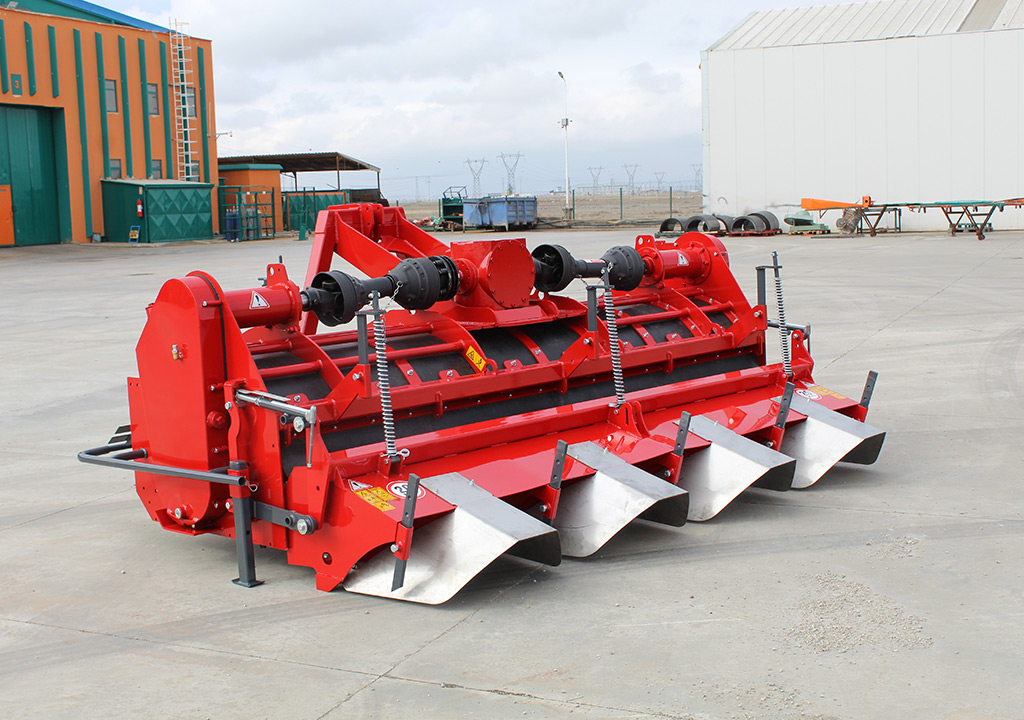
| Southern Highlands (Iringa, Mbeya) | Potatoes | ABOLLO Potato Seeding Preparator |
• 25% – 35% Yield Increase • Prevents Tuber Deformity |
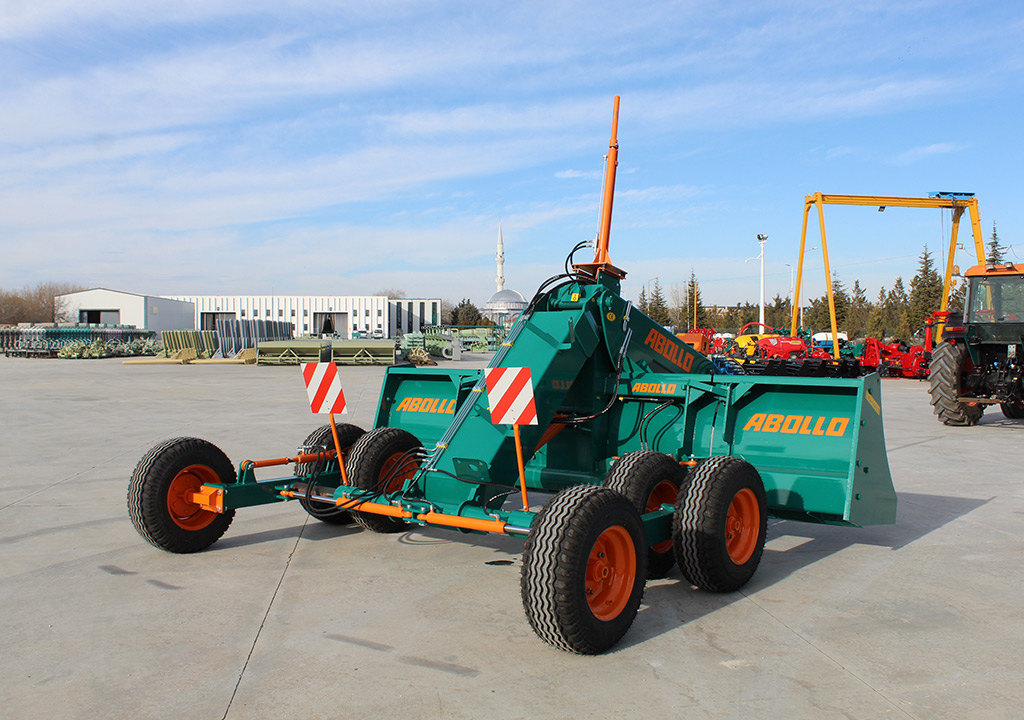
| Eastern & Coastal (Morogoro - Kilombero) | Rice (Paddy) | ABOLLO Laser Guided Land Leveller |
• 30% Water Savings • 20% Uniform Germination Rise |
| Western & Lake Zone (Shinyanga, Tabora) | Cotton & Maize | ABOLLO Heavy-Duty Disc Harrow & Rotary Tiller |
• Breaks Compacted Soil in One Pass • Up to 18% Fuel Savings |
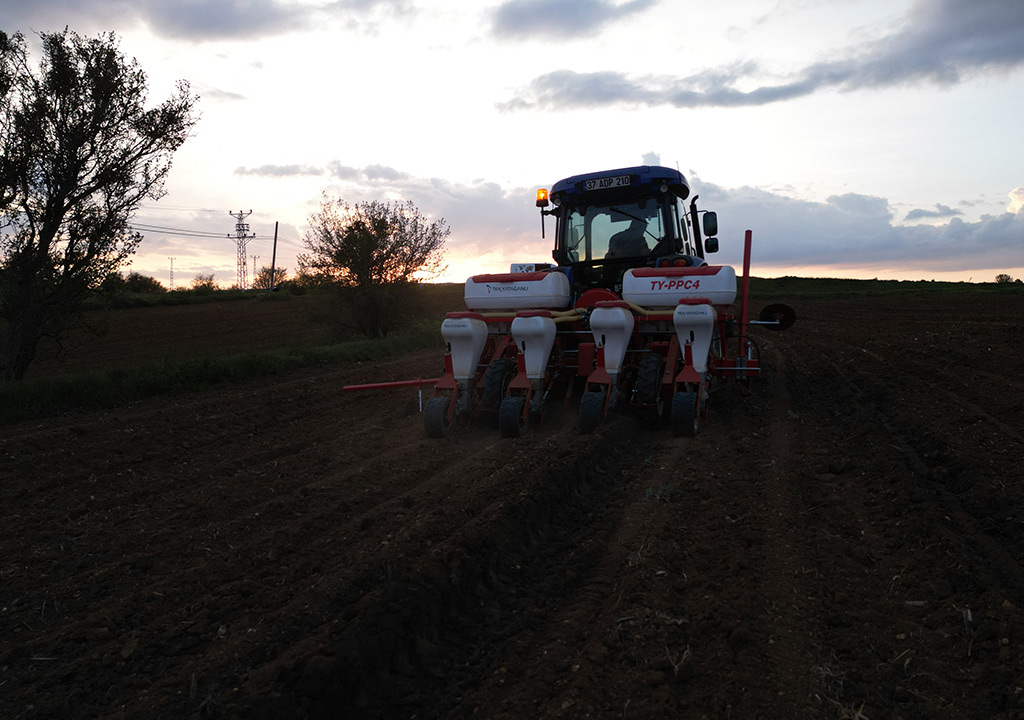
| Central Tanzania (Dodoma, Singida) | Sunflower & Sesame | ABOLLO Pneumatic Planter |
• Precision Planting • 15% – 20% Seed Savings |
Field Challenge: Deformed tuber growth and root rot caused by compacted, heavy clay soils.
ABOLLO Solution: Creates uniform, well-aerated seedbed ridges in a single pass with a 30 cm working depth and 96 heat-treated steel blades.
Field Results: Improved root aeration and drainage control deliver a 25% to 35% yield increase and market-ready, deformation-free potato harvests.
Field Challenge: Uneven field surfaces leading to irregular water distribution and yield loss in basin irrigation.
ABOLLO Solution: Precision zero-grade leveling guided by laser technology.
Field Results: Up to 30% savings in irrigation water, easier weed control, and a 20% yield boost due to uniform seed germination.
Field Challenge: Conventional plows struggling in hard-baked pre-rain soils, leading to high tractor fuel consumption.
ABOLLO Solution: High-torque gear transmission and wear-resistant disc/blade metallurgy.
Field Results: Reduces field passes, providing up to 18% fuel savings and ensuring timely planting window operations.
Field Challenge: Inconsistent planting depth resulting in poor germination rates.
ABOLLO Solution: Precise air-vacuum seed placement ensuring uniform inter-row depth and spacing control.
Field Results: Eliminates seed waste and establishes optimal plant population density for higher yields.
Companies exporting agricultural machinery or investing in Tanzania benefit from favorable trade policies and financial incentives:
Tanzania is a member of the East African Community (EAC). Under the EAC Common External Tariff regulations, agricultural machinery and implements (HS Code 8432 and 8433 categories) enjoy a 0% Import Duty tariff rate to encourage farm mechanization and food security.
Under the Tanzania Value Added Tax Act, agricultural implements, tractor-drawn machinery, and irrigation equipment directly used in agricultural production are exempt from VAT (0% VAT or Exempt Status). This supports competitive market pricing for ABOLLO products across the region.
The bilateral agreement between Türkiye and Tanzania prevents double taxation for B2B commercial entities, exporters, and local distributors operating across both jurisdictions.
ASDP II (Agricultural Sector Development Programme Phase II): The Tanzanian government's primary framework funding mechanization for small and medium-scale growers.
World Bank and IFAD Financing: Agricultural cooperatives and private sector commercial farms in Tanzania can access low-interest credit lines and subsidies under World Bank-supported projects (such as REGROW) and IFAD funding programs for agricultural machinery procurement.
Q: Are agricultural machinery imported into Tanzania subject to import duty?
A: No. Under the East African Community (EAC) Common External Tariff regulations, agricultural machinery and implements (HS Code 8432 and 8433) are exempt from import duty (0% rate) to promote farm mechanization.
Q: Is there VAT on farm equipment purchases in Tanzania?
A: Under the Tanzania Value Added Tax Act, agricultural implements and tractor-drawn machinery directly used in crop production are exempt from VAT (0% VAT status).
Q: Which ABOLLO machine is best suited for potato farming in Tanzania's Southern Highlands?
A: The ABOLLO Potato Seeding Preparator is specifically engineered for potato seedbed preparation in regions like Iringa and Mbeya, delivering up to a 35% yield increase by preventing tuber deformity and improving soil aeration.
With vast arable land and strong government momentum toward agricultural modernization, Tanzania stands out as a rising agricultural power in East Africa. Engineered for demanding regional conditions, ABOLLO machinery offers sustainable yield improvements for agricultural enterprises of all sizes—from potato growers in Iringa to rice producers in Kilombero. Combined with import duty exemptions and VAT incentives, ABOLLO offers a strategic, high-value partnership for the African market.


 0332 2515120